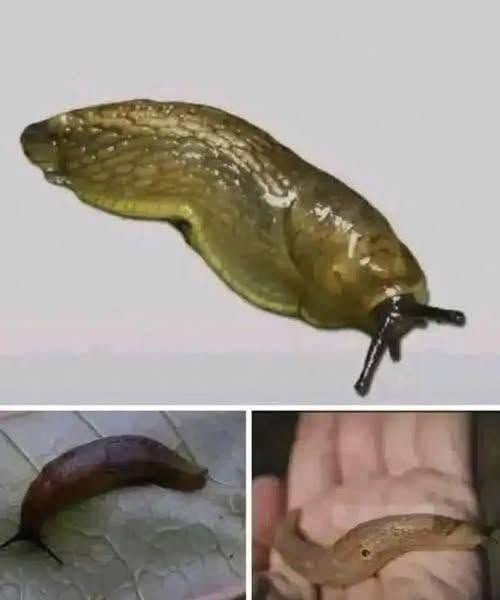
Medical Adhesives & Bio-inspired Mucin: Slug mucus (mucin) is a double-network hydrogel that is exceptionally tough, flexible, and sticky even on wet surfaces. Bioengineers study slug slime to create advanced surgical glues, tissue adhesives, and healing wound dressings.
Neuroscience Research: Gastropod mollusks possess relatively simple, large neurons, making them classic laboratory models for studying basic nervous system mechanics, synaptic plasticity, and memory storage.
3. Why Slugs Enter Homes & How to Prevent Them
Slugs enter houses strictly seeking moisture, cool shade, or food residue. They do not bite, sting, transmit diseases, or cause structural harm to wood or dry walls.
Common Entry Points vs. Prevention Measures
| Common Entry Point | Root Cause | Effective Prevention Step |
| Gaps under exterior doors | Missing or worn door seals | Install heavy-duty weather stripping or door sweeps. |
| Foundation cracks & floor gaps | Unsealed construction joints | Fill exterior gaps and foundation cracks with silicone caulk or expanding foam. |
| Damp basements & crawl spaces | High ambient humidity | Run a dehumidifier to keep indoor humidity levels below $50\%$. |
| Pet food dishes left overnight | Smells of wet kibble or canned food | Pick up and store uneaten pet food before nightfall. |
Natural & Safe Indoor Deterrents
-
Copper Mesh or Tape: Copper reacts with slug slime to generate a tiny, harmless electrostatic charge that deters them from crossing thresholds.
-
Diatomaceous Earth (Food Grade): Dusting food-grade diatomaceous earth around entry points creates a dry barrier that slugs will not cross.
-
Fix Leaks & Improve Ventilation: Repairing damp pipes beneath sinks or in basements removes the moist environment slugs require to survive.
For Complete Cooking STEPS Please Head On Over To Next Page Or Open button