Introduction
Many of us rely on our washing machines several times a week, expecting every load to emerge fresh, clean, and smelling great. So when clothes come out with stubborn odors or white detergent residue, it is easy to blame the laundry soap or the appliance itself.
However, the real culprit is often right under your nose: the detergent drawer.
This frequently overlooked compartment regulates exactly when detergent, pre-wash additives, and fabric softeners enter the wash cycle. Over time, leftover soap, softener, hard water minerals, and trapped moisture build up inside. This buildup restricts water flow, prevents cleaning products from dissolving properly, and creates a breeding ground for mold and mildew—which then transfers straight onto your “clean” clothes.
Regularly cleaning and properly using your detergent drawer is a simple habit that restores washing performance and keeps unpleasant odors at bay.
How to Deep Clean Your Detergent Drawer in 4 Easy Steps
Cleaning the drawer is a quick, straightforward task that takes only a few minutes:
1. Remove the Drawer
Consult your washing machine’s user manual to safely remove the drawer. Most models feature a small release tab located near the fabric softener compartment that you simply push down while pulling the drawer out.
2. Scrub Away Residue
Rinse the drawer thoroughly under warm running water. Use a soft brush or an old toothbrush to scrub away caked-on soap powder and slimy softener residue from small corners, nozzles, and underneath the compartment dividers.
3. Clean the Housing Cavity
Do not forget the inside slot where the drawer sits. Moisture and residue accumulate on the top spray jets and bottom walls of this cavity. Wipe down the entire interior housing using a damp microfiber cloth or sponge.
4. Reassemble and Dry
Ensure both the drawer and cavity are thoroughly rinsed and wiped dry before clicking the drawer back into place.
Best Practices for Detergent Drawer Maintenance
Using the compartments correctly prevents unnecessary residue from forming in the first place:
-
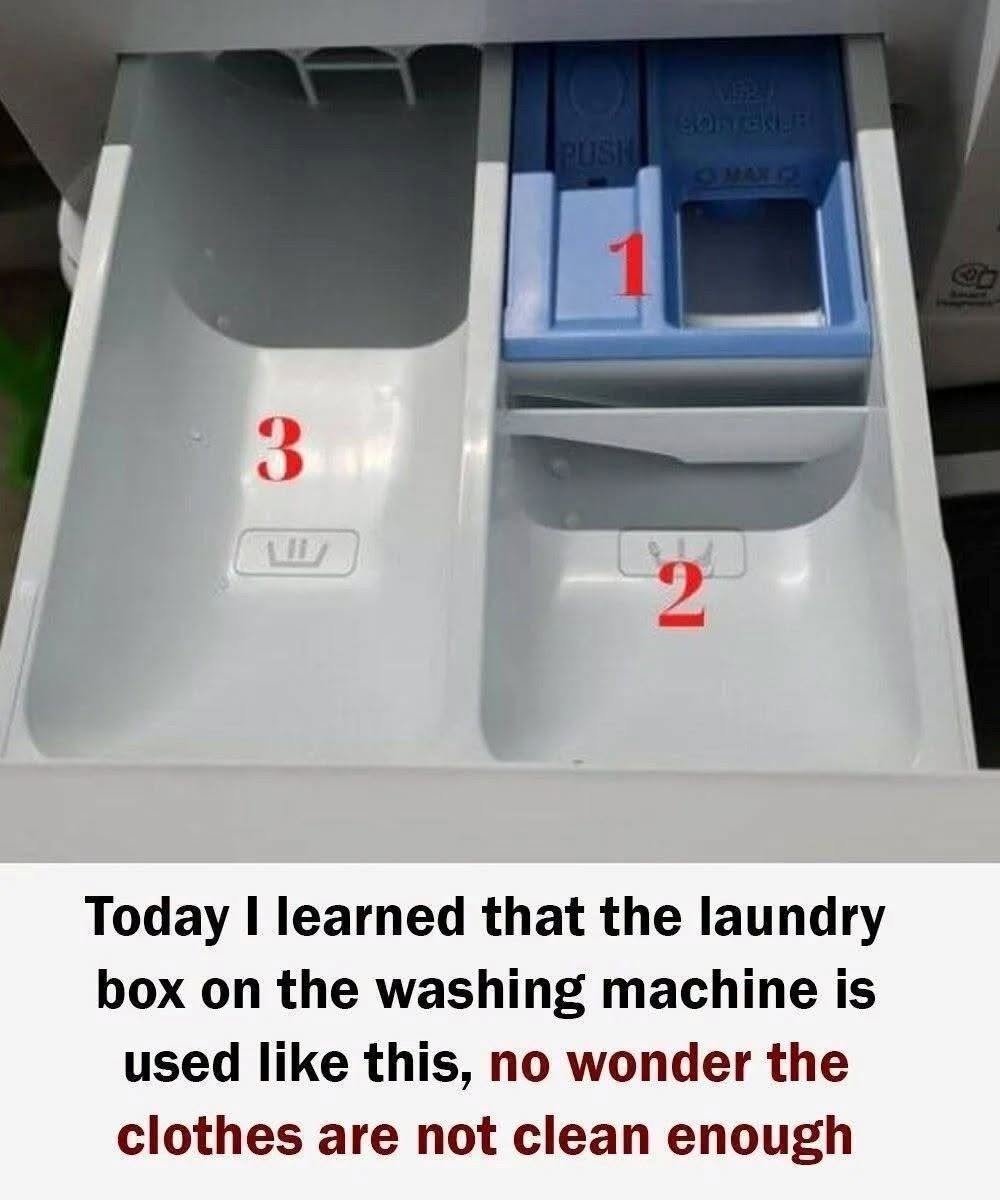
Know Your Compartments: Most washing machine drawers feature three distinct sections:
-
Main Wash ($\text{II}$ or $2$): For your standard liquid or powder detergent.
-
Pre-Wash ($\text{I}$ or $1$): For heavily soiled laundry requiring a pre-soak.
-
Fabric Softener (Flower Icon $\text{🌸}$): For liquid softeners or conditioning agents.
-
-
Measure Accurately: Avoid overfilling compartments. Using excess detergent does not make clothes cleaner; instead, it leaves sticky residue on fabrics and inside the machine’s internal hoses.
-
Allow Air Circulation: After completing a load of laundry, leave both the washer door and the detergent drawer slightly ajar. This lets trapped moisture evaporate, preventing mold and mildew growth before it starts.
-
Run Maintenance Cycles: Once a month, run a hot-water maintenance cycle (either using a dedicated washer cleaner or white vinegar) to flush out internal pipes and hidden buildup.
Conclusion
Extending the life of your washing machine and achieving fresher laundry does not require expensive products or hours of effort. By keeping the detergent drawer clean, using the correct dosages, and practicing basic routine care, you can ensure your appliance runs efficiently and reliably for years to come.
For Complete Cooking STEPS Please Head On Over To Next Page Or Open button